

OSU-Stillwater Concurrent Enrollment
The Solar System
ASTR 1013 (N)
3 Credit Hours
Introductory Biology
BIOL 1113 (N)
3 Credit Hours
Chemical Principles
CHEM 1215 (L,N)
5 Credit Hours
Regions & Nations in Global Context
GEOG 1713 (G,S)
3 Credit Hours

The Story of Dinosaurs
GEOL 1003 (N)
3 Credit Hours
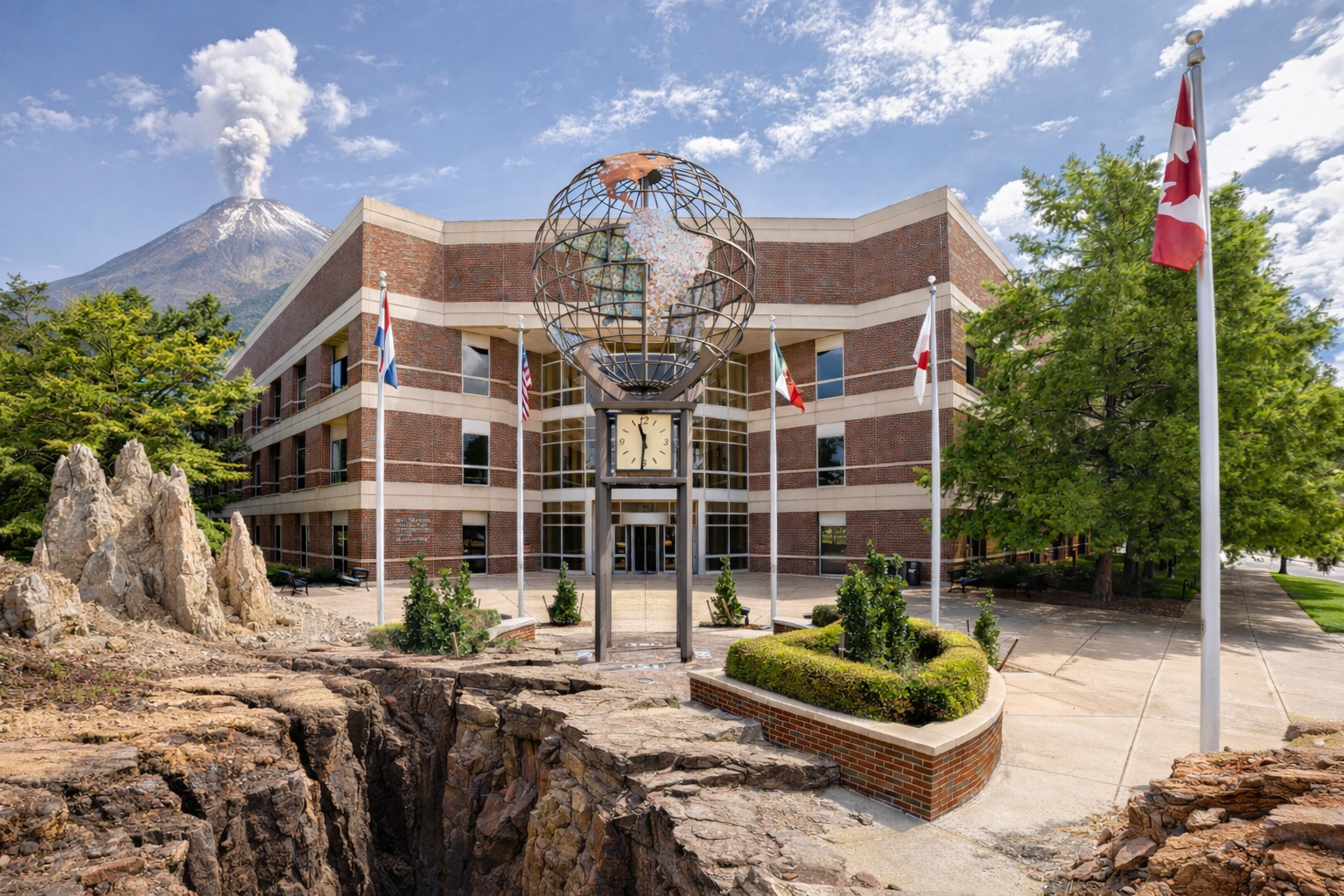
Geology & Human Affairs
GEOL 1014 (L,N)
Pandemics, Plagues & People
MICRO 2153 (N)
3 Credit Hours

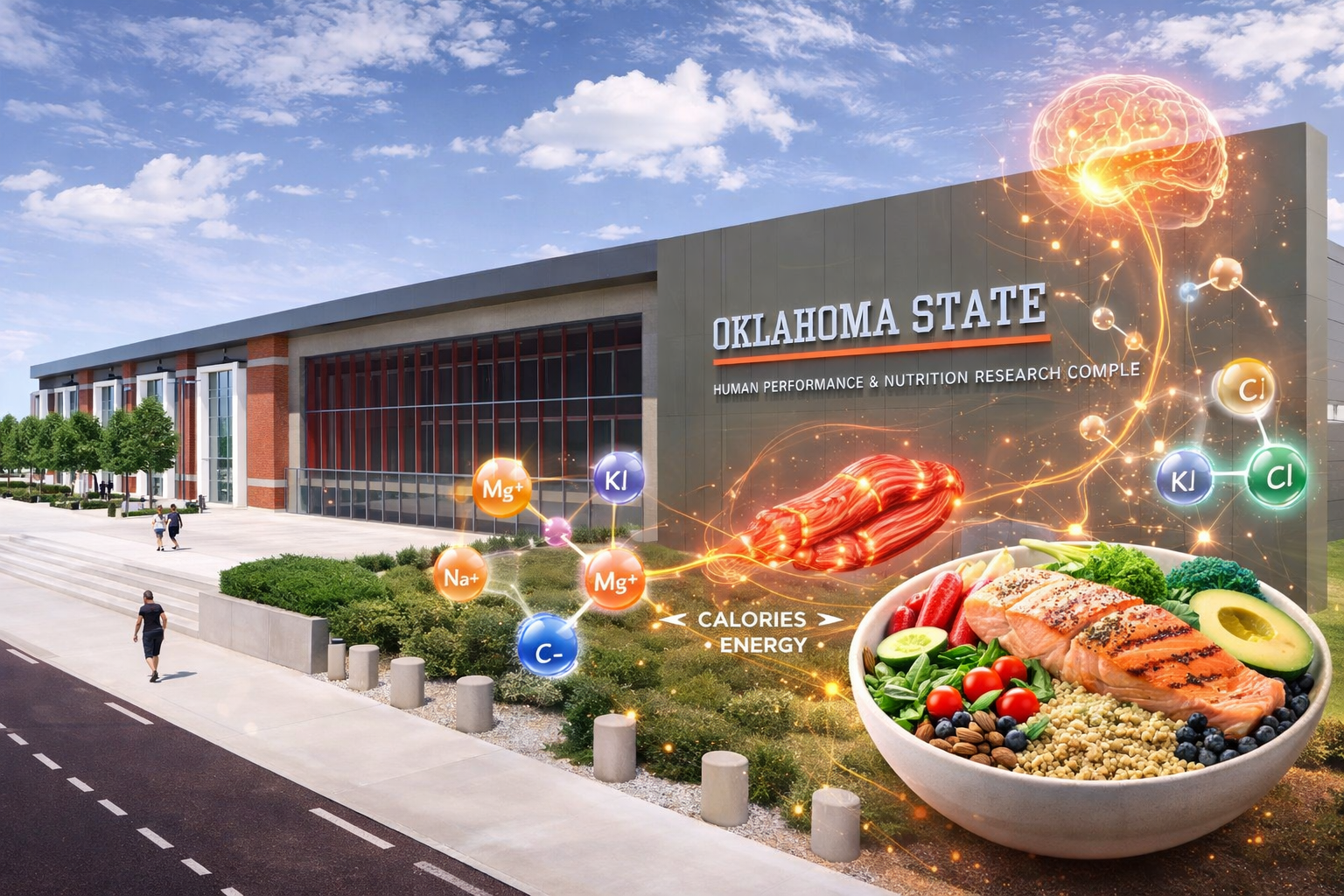
Principles of Human Nutrition
NSCI 2013 (N)
3 Credit Hours
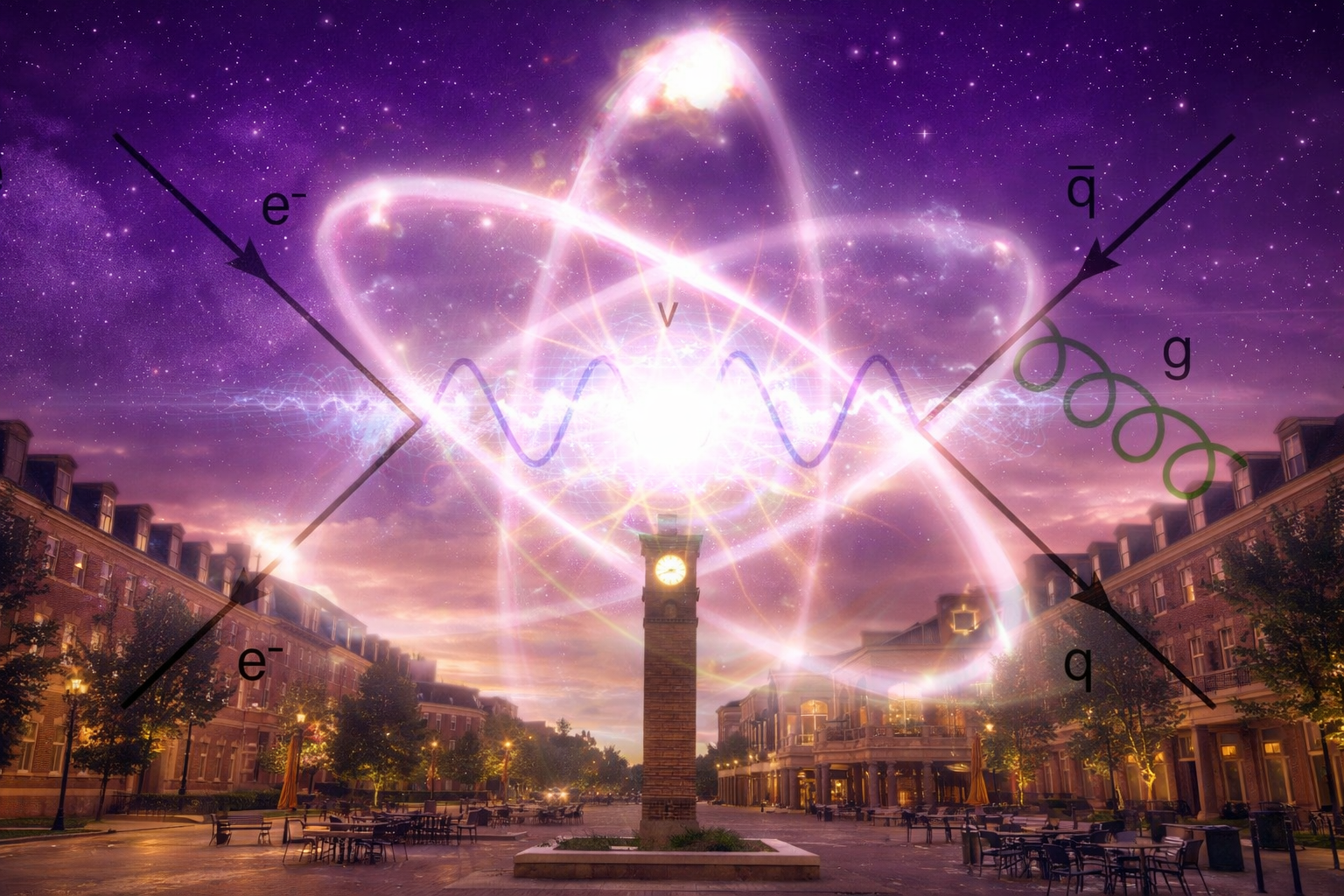
College Physics
PHYS 1114 (L,N)
4 Credit Hours
Academic Support
Tutoring
At the LASSO Center, we offer one-on-one tutoring for over 100 courses. Our team of tutors is dedicated to helping students achieve their academic goals by tailoring each one-hour tutoring session to the individual student's needs. We offer both in-person and virtual tutoring options for your convenience.
Supplemental Instruction
Math Placement & Course Designations
-
Math Placement Exam
Oklahoma State University requires the OSU Math Placement Exam to assess your preparation for the math course you plan to take. The OSU Math Placement Exam is designed to find the strengths and weaknesses of your mathematical knowledge, report results to you, and then, if necessary, provide you with online learning modules for improving your knowledge to prepare for the appropriate course.
-
(L) Designation
Courses with the Laboratory-Based Inquiry designation emphasize processes of scientific investigation using real-world applications in the natural sciences. Students engage in concrete experiences meant to strengthen skills of observation, analysis, and interpretation. Interacting with content in this way allows students to connect theoretical constructs with practical experiences and develops an ability to evaluate the credibility of others’ scientific findings.
-
(N) Designation
Courses with the Reasoning in the Natural Sciences designation provide essential insights into the fundamental principles underlying the physical and biological processes that govern our world. By acquiring a solid foundation in the natural sciences, students gain the ability to critically analyze the methods employed in scientific inquiry, comprehend the knowledge derived from these disciplines, and realize the interconnectedness of science and society.
-
(G) Designation
Courses with the Global Cultural Competency designation are designed to cultivate critical thinking skills, cultural competency, and empathy necessary for navigating and appreciating diverse perspectives, identities, and experiences outside the United States. These courses equip students with the basic skills needed to successfully navigate a multicultural world, to reflect on historic legacies and present-day* dynamics, and provide a foundation for identifying and assessing potential avenues for positive change, growth, and development at a global level.
-
(S) Designation
Courses with the Exploring Society and Human Behavior designation allow students to explain society and human behavior in social and/or physical environments through use of theoretical and methodological constructs. These courses are based on empirical observation of human behavior rather than the study of aesthetics, ideas or cultural values. In these courses, students critically analyze generalizations about society, explore theoretical structures, and realize the role of empirical observation in social and behavioral structures.